How to Eat Healthy: A Beginner Guide
Starting to Eat Clean: 5 Easy Tips for Beginners
By Michael Fitch
Hello again and thanks for checking out my second blog in this series of three where I’m sharing my best tips on how to start being fit! Today, we’re diving into an equally crucial aspect of fitness that is a healthy diet and five easy-to-implement tips for beginners. Remember, a balanced diet complements your workouts and helps you achieve your fitness goals by giving your body the proper fuel to recover and perform at its highest potential! Eating clean will also help you to feel your best all of the time both mentally and physically.
If you haven't read my first blog yet, I recommend starting there or reading it right after this one. In it, I provide five simple tips for beginners on how to start working out and I provide an easy to follow 20 minute at-home exercise routine with no equipment required (that means you can do it right now!)
Tips:
1. Prioritize Whole Foods
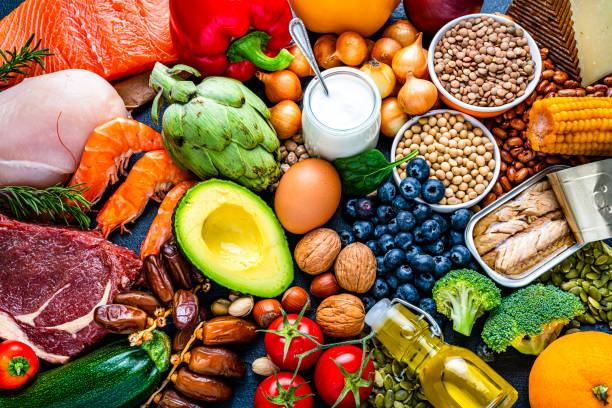
The foundation of a healthy diet is whole foods. These are minimally processed foods that retain their natural nutrients such as fiber, calcium, potassium, and iron that your body needs to survive and thrive. Think fruits, vegetables, whole grains, lean proteins, and healthy fats instead of snack crackers, fruit juice, processed meats, and seed oils. Aim to fill your plate with these nutrient-dense options rather than with high-calorie low-nutrient ones. Below are some easy swaps you can make today from processed foods to whole foods:
Canola oil (highly processed, no nutrients) —> avocado oil (healthy fats, minimally processed)
White bread (almost no fiber, barely any nutrients) —> wheat bread (high fiber, nutrient-packed)
Fruit juice (added sugar, no fiber, less nutrients) —> fruit (no added sugar, fiber, high in nutrients)
2. Portion Control - everything in moderation!
Even healthy foods can be detrimental if consumed in excess. Practice portion control by using smaller plates and listening to your body's hunger and fullness cues rather than eating until you’re uncomfortable because something might taste so good. Avoid overeating and mindless snacking out of boredom. A great way to portion meals and snacks it to make use of the serving sizes provided on packages. If a bag of chips has a serving size of 25 chips, try counting them out as you eat them and limiting yourself to just one serving instead of mindlessly eating chips until you’re full. On the topic of chips, it’s a good idea to consume less-healthy foods such a chips and sweets in moderation and only occasionally. It's not realistic to totally cut out junk food for most people, so let yourself enjoy a few Oreos every now and then, just don't go overboard!
3. Stay Hydrated
Drinking enough water is essential for overall health and performance. Aim for at least 64 ounces of water per day (half a gallon or eight cups). Hitting 64 ounces is especially important on days that you’re training hard and sweating a lot as you need to replenish your body’s water storage to stay at tip top shape. Being dehydrated can be detrimental to your workouts as it can lead to cramps and exhaustion. Being hydrated enough also helps regulate body temperature, aids digestion, and can even boosts your energy levels. For me personally I make myself drink a certain amount of water every hour to stay on track to hit my water intake goal while I’m in class or at work. Every day, I aim to drink 128 ounces of water (one gallon). This is easy to math out because my water bottle holds 32 ounces (1/4 gallon). I stay on track by making sure I drink one full bottle of water every four hours while I’m awake (usually 8am, 12pm, 4pm, and 8pm.
4. Track your macronutrients
There are exactly three macronutrients: carbs, fats, and protein. These are the things that make up your total caloric intake. Making sure your macronutrient split is correct is crucial when you’re starting any new diet as not all macronutrients are equal. It is recommended for most people to aim for a macronutrient calorie split of 50/30/20 carbs/protein/fat. That means half of your calories are coming from carbs, 30% from protein, and the last 20% coming from fat. It’s important to note that the three macronutrients do not all have the same number of calories; carbs and protein have four calories per gram while fat has nine. Because of this, you have to really watch your fat intake since it always has the most calories per gram and its the macronutrient that should be contributing the least calories to your daily intake.
While tracking your macros can seem overwhelming at first, it’s easier today than ever before due to the easily accessible nutrition information for almost all foods and technology we have. I recommend using apps such as MyFitnessPal to track macros as you can simply scan the barcode on any item at the grocery store and it will tell you the macro split of that item.
5. Plan and Prepare Meals Each Week
Meal planning can help you make healthier food choices and avoid impulsive decisions. Take some time to plan your meals and snacks for the week. You can even make four or five portions of meals at the start of the week so that you have pre-portioned leftovers to eat for lunch or dinner the rest of the week! Though it can be hard some nights around dinner time, especially on the weekends, it’s important to always try to stick to your weekly meal plan instead of going to your favorite restaurant or getting your favorite sweet treat (My bad habit is almost always going to Chipotle for dinner at least once a week whether I plan for it or not!). Preparing your meals ahead of time can save you lots of time and money as well as help you stick to healthier home-made meals.
Personally, I've found some foods are easier to prepare ahead of time than others.
Some foods that are easier to prepare and keep well are:
- Chicken breast - typically keeps for 3-5 days and my favorite protein
- Leaner ground beef - higher fat beef will have solidified fat when stored in the fridge, I always stick with 85/15 or leaner beef
- Rice - brown or white both work
- Potatoes - mashed, air-fried, sliced, etc
- Chopped vegetables/fajita vegetables - I always like to keep pre-chopped onions and peppers in my fridge to easily add some flavor and crunch to my meals
Some foods that are harder to prepare or don't keep very well are:
- Pasta - noodles can get rubbery and dry
- Shrimp - spoil quickly and can get a nasty texture
- Anything with lettuce - add at time of eating to avoid wilting
- Breakfast foods such as eggs, pancakes, and oatmeal - reheat poorly and dry out
Thanks for reading my blog! I'd love to hear back from you guys in the comments now about what you think!
- What is your biggest challenge when it comes to eating healthy?
- What are your health and fitness goals, long-term and short-term?
- Do you have any experience with tracking macros and water intake? Do you have any more tips that could help other readers?
Be sure to check back soon for my next blog where I'll be covering how beginners can properly rest and recover!


Great blog Michael, I learned a lot!
ReplyDelete